
Open
Letter
Marsel Khaliullin — on tissue engineering, philosophy,
and the machine that could complete the revolution.
— Φύσις κρύπτεσθαι φιλεῖ
Nature loves to hide.
But sometimes, we are the ones who bury it.
Tissue engineering is at a stalemate.
It has become increasingly apparent that its initial promises were only partially fulfilled, falling short of their ultimate goals. While technologies like bioprinting and organoid development have profoundly impacted areas such as prosthesis creation, organ replacements, artificial meat production, and drug testing, their development trajectory has notably deviated from the initial promise of solving the organ generation issue.
The initial conceptual clarity has to be bracketed. The starting structural mantra that tissue is a mere collection of cells and ECM has led us into an epistemological pit with barely any chance to escape. The rope to pull us out of it should be made of the same material as the pit, but twisted in a different way.
Essence is not something which descends to us. It is what philosophers craft using language in a specific way. Therefore, the main difference between tissue and tissue engineering is what is to be raised and nurtured all the way to its philosophical maturity.
In Aristotle's hylomorphism, every physical object is a composite of matter (hyle) and form (morphe).
Morphism
Mechanical organs. Form takes precedence — organs understood as machines composed of functional parts, where design dictates matter's role.
Hylomorphism
Artificial living organs. Form and matter are melded holistically — equally important in crafting a functional organ.
Hylism
Self-assembling organoids. With the right components (matter), the desired structure (form) spontaneously emerges.
The Mechanical Model
Form dominates matter. We design and build hearts as machines, with fixed geometries and mechanical parts. Here, the form (design) is primary, and matter is merely the medium to realize that design.
Total Artificial Hearts (TAH), like the Syncardia.
The Biological Model
Matter and form are in a state of hylomorphism. We use biological scaffolds and cells to create functioning tissue. Matter (cells and ECM) and form (scaffold structure) are equally important.
Decellularized hearts seeded with new cells.
The Emergent Model
Matter precedes form. We provide the right environment and biological signals, and let the cells organize themselves into the final structure — mirroring natural developmental processes.
Cardiac organoids: stem cells self-organizing into beating heart-like structures.
Scroll through the field below to traverse the three paradigm modes — the page will lock until you've moved through all three stages.
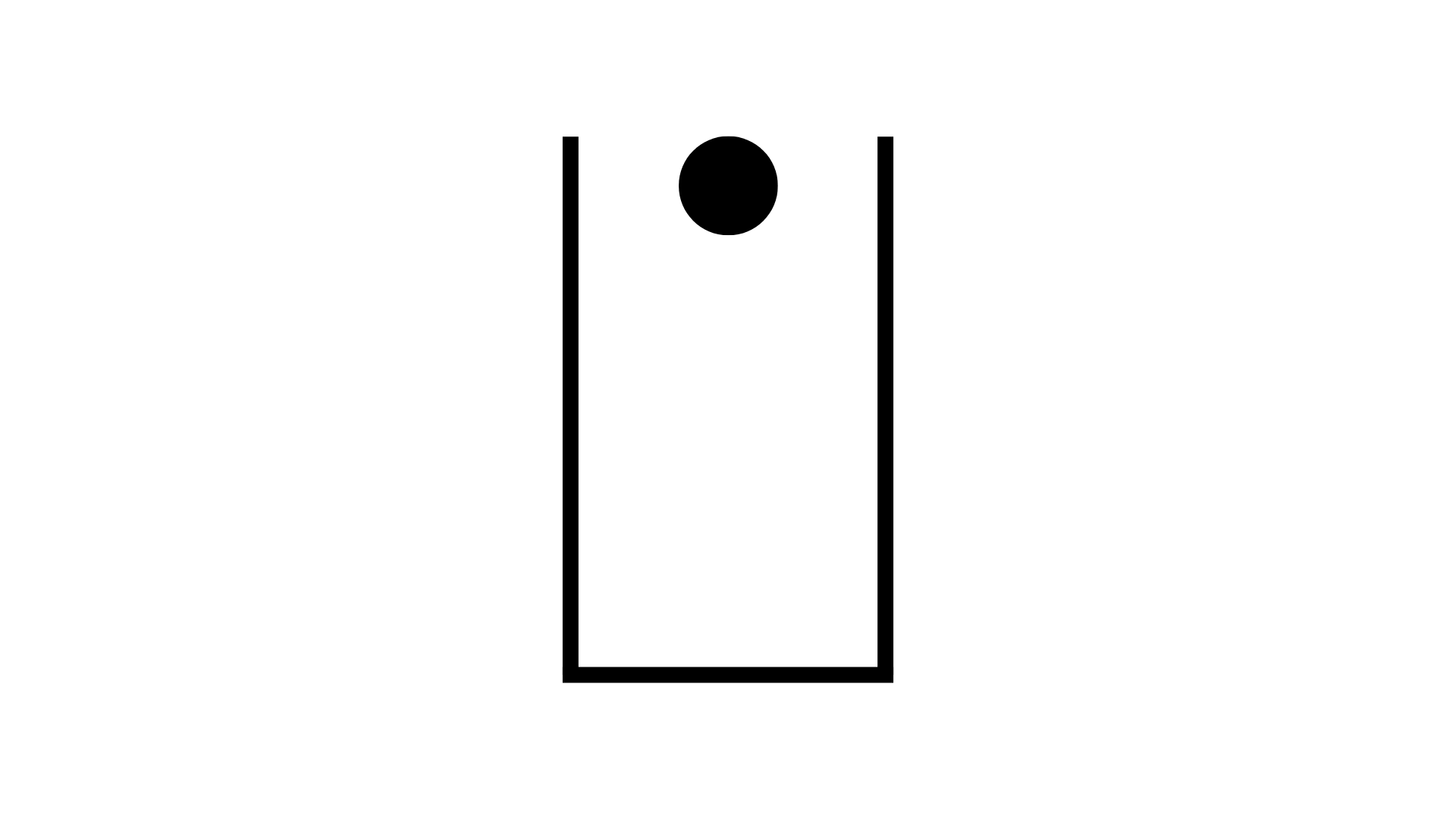
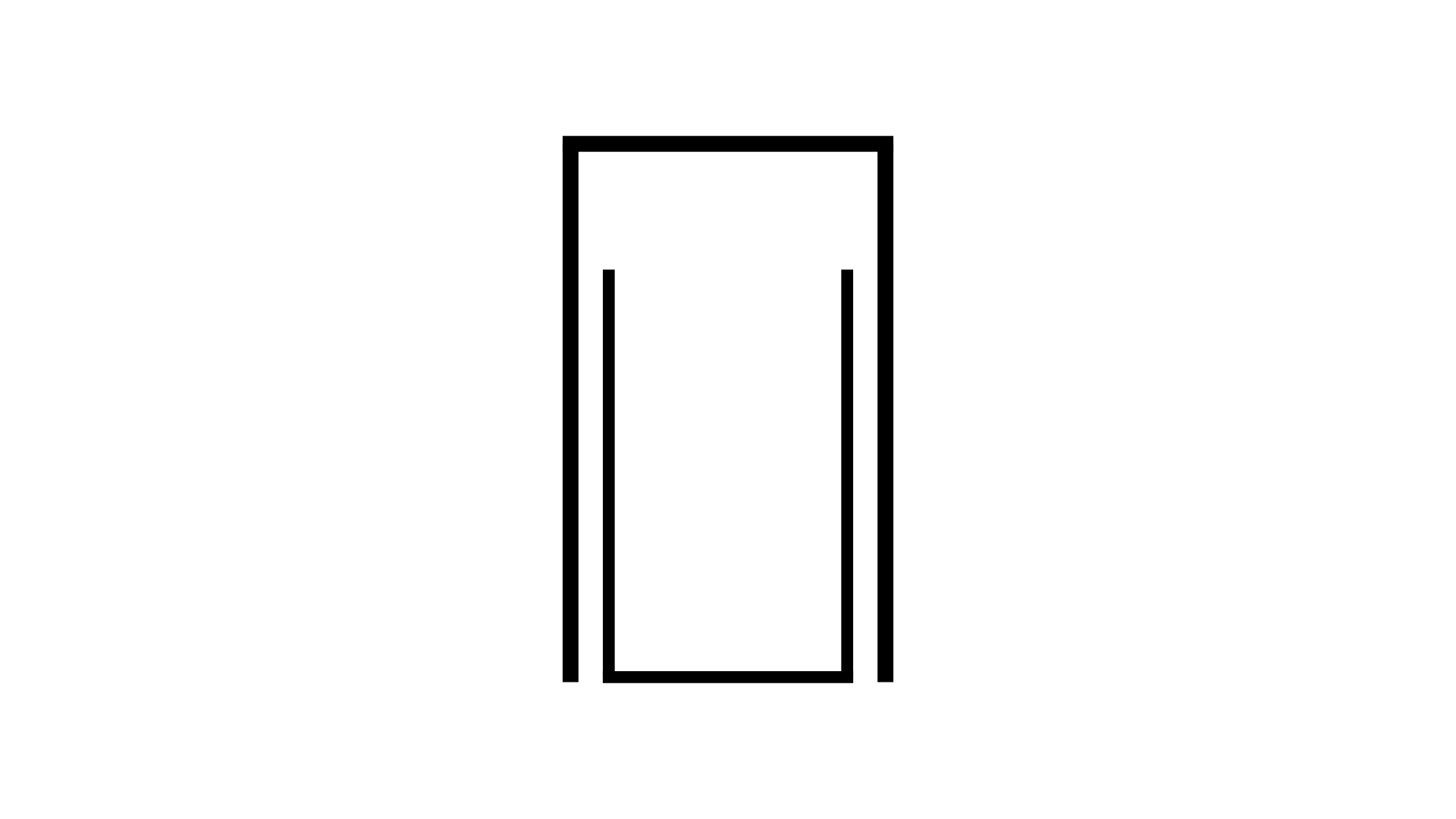
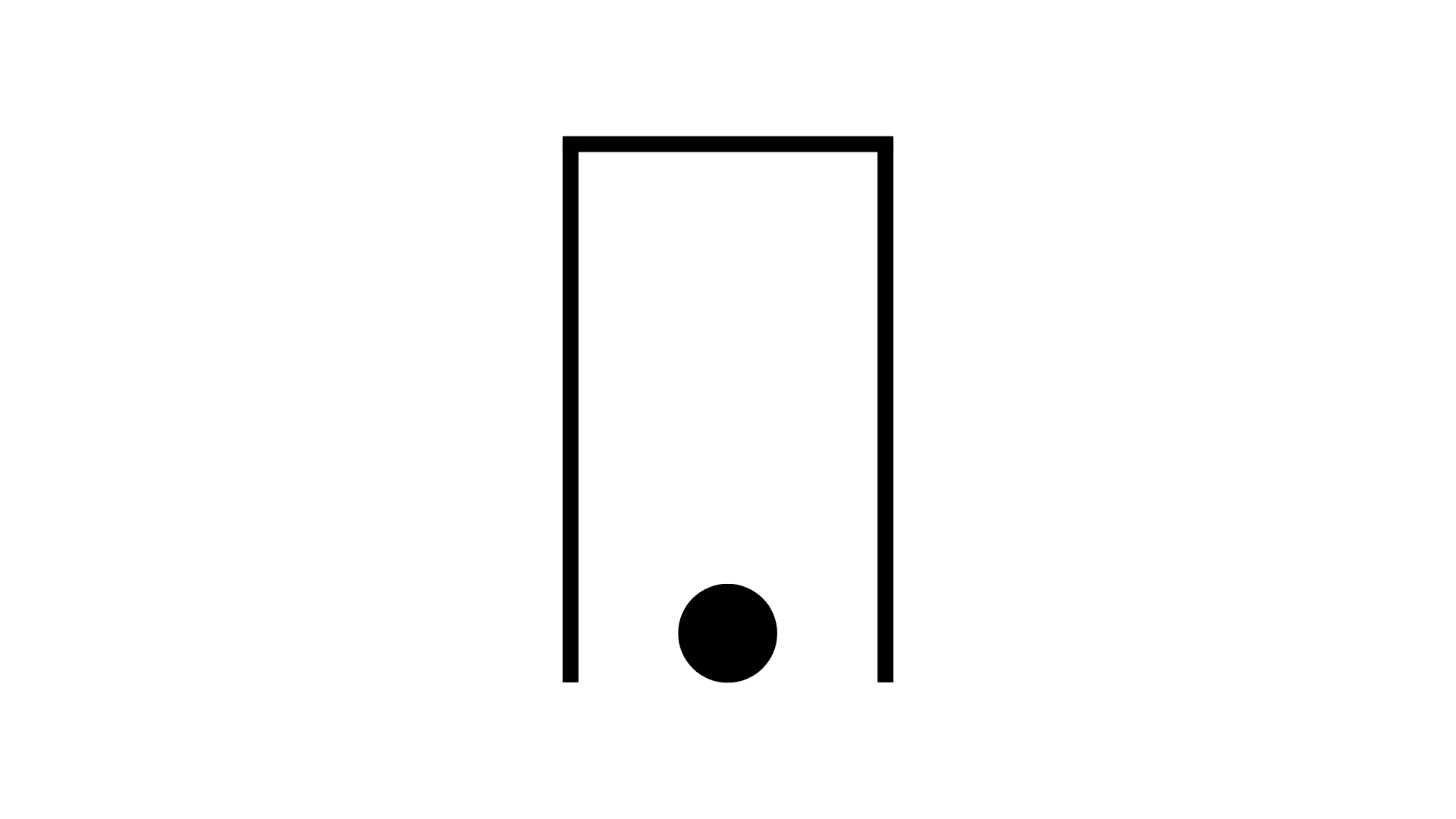
The Mechanical Mode
— Form dominates Matter
The Biological Mode
— Form meets Matter
The Emergent Mode
— Matter precedes Form
Tissue Engineering Triangle
The Tissue Engineering Triangle maps the three fundamental ontological modes of tissue production: Morphic (Form precedes Matter — the mechanical paradigm), Hylomorphic (Form and Matter are co-equal — the biological scaffold paradigm), and Hylic (Matter precedes Form — the emergent, organoid paradigm).
The paradoxical outcome is that all corners of the TET simultaneously fit and don't fit for tissue production. There's always a promise that this exact mode of tissue production will eventually yield real organs, yet the revolution halts near its end.
Three Discursive Horizons
The Liminality of Tissue
Liminality — a phase of transition — refers to the state where matter is active yet not yet a functional tissue or organ. Analyzing these liminal states could shed light on the recurrent stagnation in tissue engineering, and how the revolution can achieve its anticipated culmination.
Organoid War: The Unfinished Apocalyptic Revolution
The anticipated bio-printing upheaval has been overshadowed by organoid development. However, building organoids is not an end in itself; it is a necessary step toward the final goal of functional organ engineering. We must identify the blockers of the revolution to overcome the stalemate.
Tissue Engineering Periodic Table
Different approaches — from bioprinting to active matter self-assembly — must be integrated into a single, cohesive framework. A 'Periodic Table of Tissue Engineering' would categorize these methods based on their underlying biological and technological principles.
At the end of the day, the Tissue Engineering revolution has to be completed. And there is a conceptual machine which can do exactly that.
Généra.
The first machine to be able to weave the tissues. A major result of tissue engineering periodization — finding an empty spot in the overall organization of the table, to be replaced with another machine that fits.
This mission cannot be achieved through the efforts of tissue engineers alone. Professionals from diverse fields of science and culture are invited to contribute their expertise to unravel this old puzzle — the enigma of tissue génération.
Généra / Open Letter
Marsel Khaliullin
9 February 2024
The content within this letter represents preliminary ideas and concepts in the field of tissue engineering. Academics and researchers are permitted to share excerpts for scholarly discussion. Not for commercial use without explicit permission. © 2024 Marsel Khaliullin. All rights reserved.